
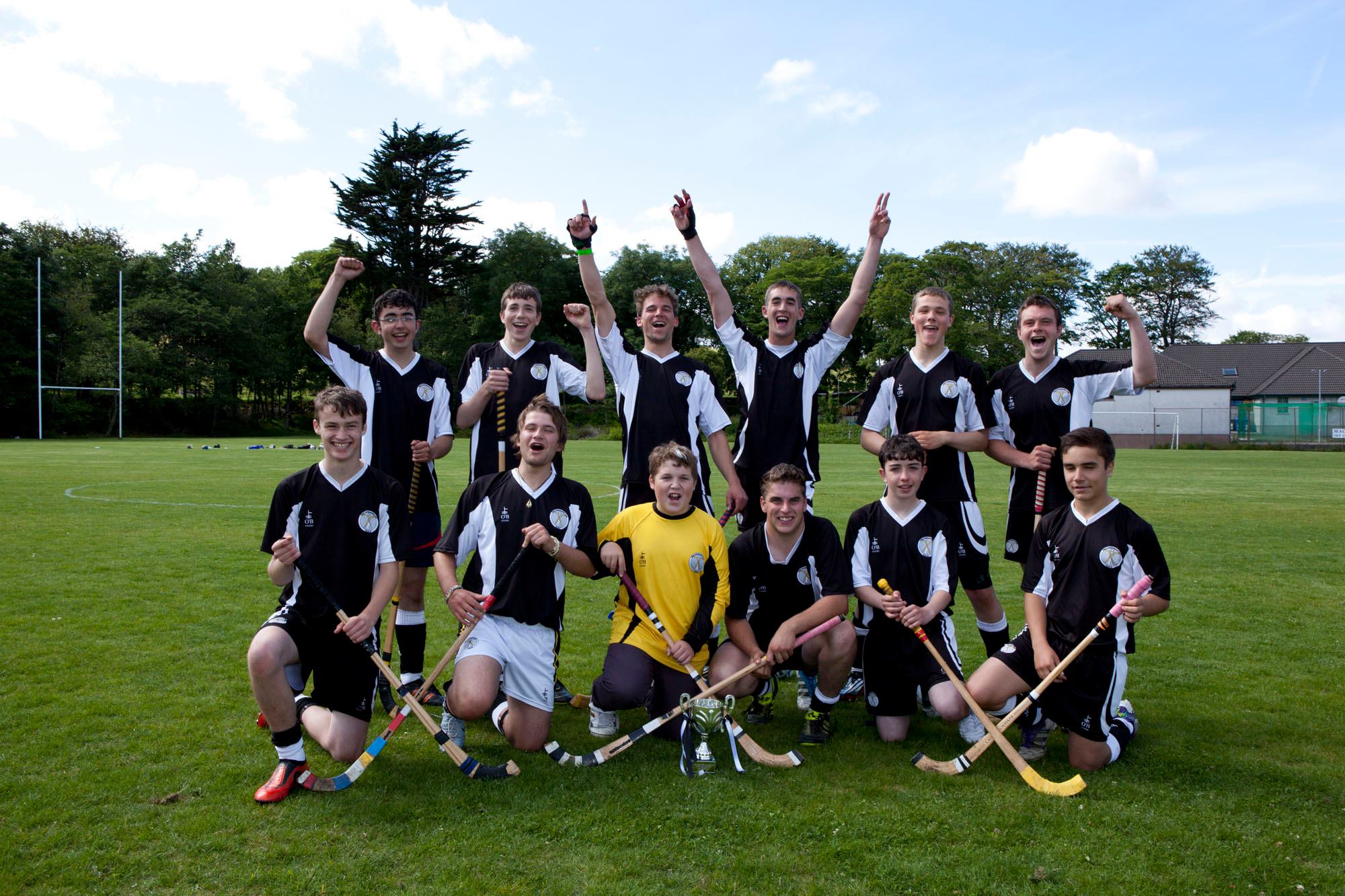
As we build towards the Hebridean Celtic Festival Challenge Cup Final between Camanachd Leòdhais and Camanachd Uibhist this Saturday, it’s worth paying tribute to our annual opponents and to Uist’s contribution to shinty as a sport.
Shinty in Uist of course has the same long history that is intertwined with Gaelic, and lost its shinty for a time due to the same pressures that affected the sport in Lewis and Harris.
Shinty was played from time immemorial on the machairs of Uist, and the winter season there was a long one from Michaelmas and St Andrew’s Day through to Fèill Bhrìghde. The parishoners took their camans to Christmas Mass and played by moonlight into the small hours of Christmas morning.
Uist even has its own Shinty legend , where a game on the machair at Daliburgh was paused due to a heated dispute over a hail, then subsequently abandoned due to the appearance of the ghost of Lachlann mhic Mhaighstir Alasdair, a wandering soul and brother of Alasdair mac Mhaighstir Alasdair who had died without the last rites of the church.
At the centre of the ùpraid is Iain mac Dhòmhnaill Òig ’ic Nìll who was using very strong language. Lachlan’s ghost appeared at the side of the pitch and scared off the players. Many years later Iain would encounter Lachlan’s ghost again and would ask for a blessing “A Dhia ‘s a Mhoire, glacaibh m’ anam”.
Lachlan’s ghost replied “Tha sin glè mhath, ach cha b’e sin a’ chainnt a bh’ agad nuair a chuala mise mu dheireadh thu” (That’s all very well and good, but you didn’t use that sort of language last time I heard you.” )
It was then Iain realised that this was the man they’d seen at the shinty all those years before.
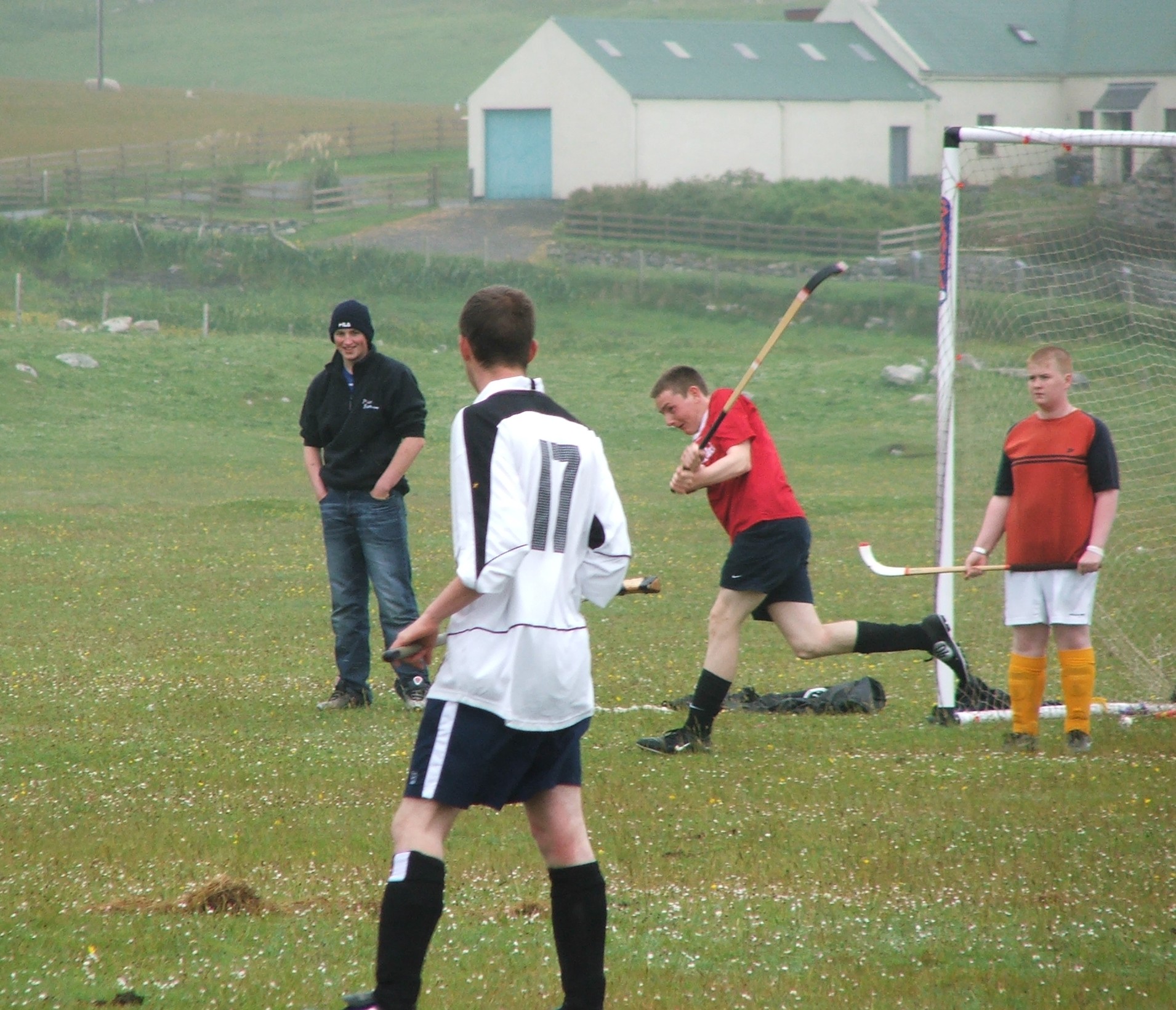
Shinty in Uist seems to have been more organised than shinty in Lewis and Harris, and whilst the existence of the North Uist Shinty Challenge Cup between Sollas and West-side is now well known (and in safekeeping at the Bught Park exhibition) lesser known is the grand tour that Captain Malcolm of the Cameron Highlanders ran from Daliburgh to Berneray in 1890 as a recruitment tour.
Firstly a shinty match was held on the machair at Daliburgh. After months of storm and rain the weather cleared up as if by magic, and induced large crowds to turnout to enjoy the sport.
Then a game was held at Drimisidale where the people were “more familiar” with the sport, and the game was very fast and exciting and the following day “a yet keener game” was held at Ormiclatee Machair “The turf here is like a lawn.” said the paper,
Later on a game was played at Iochdar. Their priest Rev Father Angus Macrae “a redoutable player” and his parishioners were such keen players they wanted another game. Matches were then played in Lionacleit and in Balivanich.
This grand tour had a revivalist spirit; “In some of these districts shinty had almost died out owing to the want of proper sticks, and it was noticeable that some of the best and keenest players were old hands who had enjoyed many games when younger.”
North Uist also had “capital games” at Hosta, Sollas and Newton. Arthur Campbell-Orde, Dr MacKenzie and Mr Macdonald were the leading players. And finally a “very good” game was played in Berneray, Harris.
So after 10 games in just over a week, Uist had very much succumbed to shinty fever. “The people of the Long Isle say they have never before enjoyed such matches, dances and meetings” (Oban Times 15/3/1890)
South Uist also benefitted from the support of the priests. John MacKintosh of Brae Lochaber who became known as Sagart Mòr nan Each whilst priest in Bornish was “A fine player of shinty and a cattleman”. (Father Allan, Roger Hutchison)
Unfortunately, the glory days of shinty in South Uist were not long for this world. Schoolmaster Frederick Rea introduced football with the support of priest George Rigg, and within 20 years, shinty had died out in the South.
In the North, the Challenge Cup continued to be played, until the final game between Sollas and West-side in 1907.BBC Radio nan Gàidheal – Spòrscast, Lachlann MacCuithein This game is well documented now thanks to a great deal of archive work is now a main feature of the Shinty’s Story – Sgeul na Camanachd exhibition in Inverness.
However, whilst shinty withered in the isles, the sons of Uist were busy at work. In 1901, Angus MacVicar of Cladach Kirkibost was studying for the ministry in Glasgow when he met with Murdo MacRae and Murdo MacKenzie, two Ross-shire Medics to found Glasgow University Shinty Club. The influence of alumni of the Òr is Dubh over the next 125 years would be quite outsized, including the revival, maintenance or establishment of clubs such as Skye, Lewis, Dunoon, Tayforth and Strathspey.
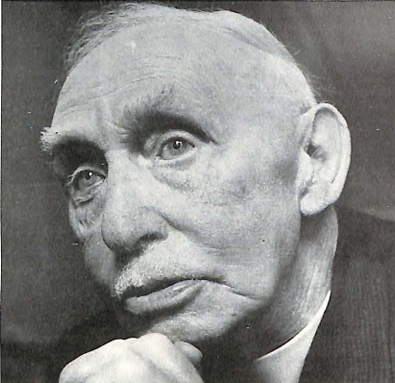
However, Angus had not only played shinty at home in Uist, carving camans out of driftwood and dried stamh, but had had to emigrate to Kingussie in order to continue his education. Emigration for secondary school may have been a colonial enterprise but it was one way in which Uist maintained its connections to its native sport.
One Uist connection to shinty was maintained by the famous An Dotair Mòr, Alex “Zadok” MacLeod (1894-1979) from Leurbost, Lewis . This inspiring medic would go on to become an icon in rural healthcare thanks to 42 years of work in Uist. He also managed to do all this having lost an eye playing shinty for Glasgow University! He had played in his glasses and the ball had shattered the lens which embedded in his eye which promptly had to be removed. He had a strong, lifelong passion for shinty, which may also have contributed to him joining the Ross Mountain Battery in Lochcarron for his wartime service, gaining the opportunity to play shinty in Lochcarron.
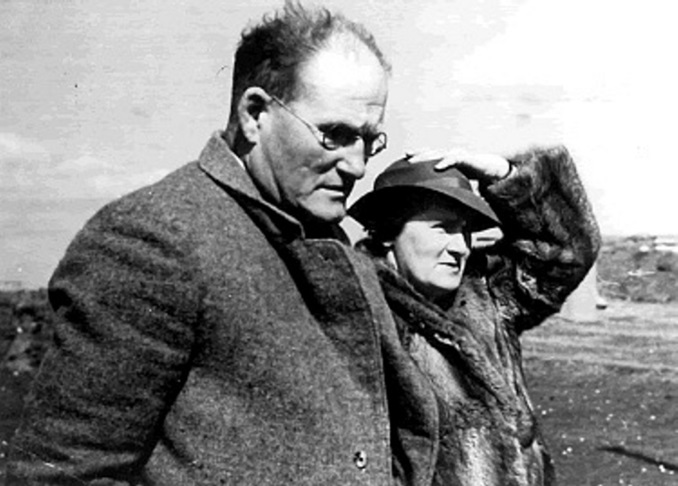
An Dotair Mòr was referee when there was a match held at Hosta machair on the 9th of August 1960 run by Angus MacLean of Locheport, then a teacher at Paible school, who had played for Aberdeen University. These were scratch teams, composed mostly of students home from the summer, divided between North and South and resulted in a 2-2 draw, and like the grand tour 70 years before had a dance attached with 200 in attendance afterwards in Carinish Village Hall. Lachlan MacInnes reminisced a couple of months ago “I think I played in this game. Obviously not very well as the Dotair Mor reminded me that I was playing shinty and not golf. Sadly, there are not many of us left.”
One young man who was not in attendance at this game however was Donald Roderick Macdonald, better known as D.R. Macdonald, who was at that point doing his national service. D.R. had left North Uist to attend Portree High School, but at that point shinty in Skye, and in particular in the High School, was at a low ebb, so it wasn’t until a couple of years later that he took up shinty at Glasgow University thanks to the promptings of future shinty photographer Donald MacKay and shinty evangelist Peter English of Glen Urquhart. Scoring on his debut the next day in Oban.
D.R. would go on to have a transformative effect on shinty through his coaching of the sport whilst working as a teacher of Gaelic in Portree, he revived Skye Camanachd alongside a few remaining stalwarts and teh rest is history. The players he developed would go onto sweep all before them at school level, before graduating to win the Sutherland Cup several times and then the pinnacle of Hebridean shinty history with the famous Skye Camanachd victory in 1990.
D.R. also took it upon himself to record the history of shinty in Uist, and his interview with Lachlan MacQuien is a vital resource for the research of camanachd in the Outer Hebrides, as well as his writings with Liz MacInnes in shinty yearbooks. He preserved the North Uist cup for many years as well in safekeeping.
Whilst D.R.’s Skye endeavours were bearing fruit in Fort William on that glorious day in 1990 Shinty returned in some form to Uist that very summer with the sport being introduced via the new Fèis Tìr an Eòrna. And who led it, but D.R. himself. Criosdain MacKenzie recalls “I got invited to play in the students vs tutors exhibition game that year I played for the students against some locals tutors and guys out of Westford Bar. It was priceless. Ronald Johnson was dressed as a Viking ( with axe and horn helmet) I don’t think I’ve ever laughed so hard. It was very fast paced game and no injuries. It had a large crowd and D.R. refereed it.”
However, it was the stationing of Alasdair MacLean of Glen Urquhart to Lochmaddy as policeman a few years later that was the catalyst for shinty in Uist coming back to life.
In 2026 Ali recollected “When I first joined the police I was playing for Glenurquhart first team. At that time our deputy chief constable was Finlay Maclennan. He was a Harrisman whose family I’m sure were originally from the island of Scarp. Finlay had been a commander in the met before transferring to Northern [Constabulary] and was in charge of the force’s discipline.
I had never met the man but his reputation was such that he could reduce hardened cops to tears and appeared to enjoy doing so. He started the force shinty team who had an annual match with Strathclyde police which Northern always won and we entered a number of the summer six-a-side tournaments played throughout the Highlands.
Between 1990 and 1993, I had been stationed in Thurso and travelled to play for the Glen most Saturdays and represented Northern Constabulary at Shinty also. I was a journeyman wingback playing in a good Glen team who had finished second the old North league behind Kingussie. All was well until May 1993 when I was informed that I had been transferred to Lochmaddy in North Uist. I had never been to the Uists but i was a single unmarried man in a small force and Lochmaddy was well known for being the worst single man posting in the force and was generally a punishment posting. Having not done anything wrong I knew off I rather foolishly sent a memo to Deputy Chief Constable Maclennan suggesting that I was playing regular shinty for both the Glen and the force he should consider sending someone else and I would go to Lochmaddy in ten years when my shinty career ended.”
I was summoned to his office in Inverness where he made it clear that it had been his decision to transfer me, that I would be transferring to Lochmaddy as planned with a start date in a fortnight’s time and while there was no crime as such in the Uists there was need for community involvement and he suggested that I consider shinty coaching for the local youth as there had historically been shinty played in both Harris and North Uist and he would monitor my progress with interest”
Of course at this time, Dr Alasdair Barden and Donna Barden had resurrected shinty in Lewis and so there was the opportunity for some inter-island fun, and Uist were in attendance and won when the first ever “Dozen Cup” was held in Tong. However, the trophy was not available just yet and so the Uibhistich were dispatched with an I.O.U.
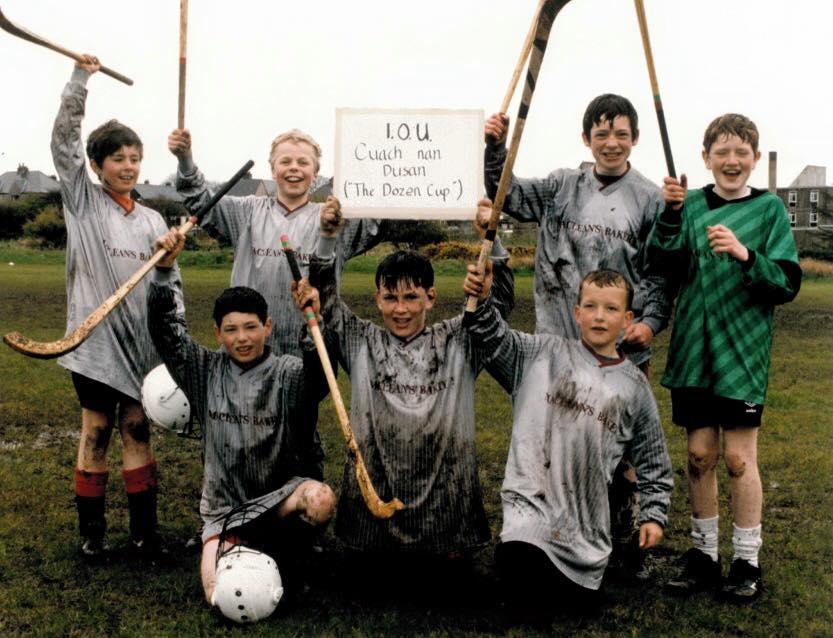
Ali put in a tremendous amount of work into developing shinty in Uist during his time there, driving the boys to the pitch in Paible for training, and taking them for a trip to Skye in the August of 1995. He got first shinty on the go in South Uist and Benbecula, and even managed to get a set of strips from MacLean’s Bakery (which, whisper it, were black and blue!)
Ali was also frequently assisted by the now Bishop Joseph Toal, then parish priest in Benbecula, of the famous Lochaber shinty family. Following in the tradition of “Sagart Mòr nan Each”, Father Toal supported shinty when he could. Criosdain recalls “Ali Maclean, me and the priest used to have meetings about shinty development. The conversation was mostly about Father Toal asking Ali about old players from the Glen!”
Whilst shinty fever took hold in Uist, but a proposed full sized shinty pitch at Mishigarry in Sollas never came to fruition, the Dr A.J. MacLeod shield was established for primary competition and as a qualification tournament for the Lord of the Isles tournament. Dr John MacLeod, who had succeeded his father, presented the trophy in memory of An Dotair Mòr.
After several years of great commuity work, Ali would leave Uist for a post in Dingwall, and many tributes were paid to him. His contribution to shinty in the Western Isles the equal of that of giants such as Dr Barden, Boyd MacKenzie and Neil Ferguson.
The year previously Ali had a visitor – the man who had exiled him to the Uists – Deputy Chief Constable Maclennan.
“[He] visited the Uists in 1997 and requested a meeting with me although I was on a day off. This caused concern for my colleagues who thought I was in for a roasting as that was what the Dep was known for.”
“It probably says a lot about my police career that in that one hour meeting he never mentioned my police work once. About forty minutes discussing youth shinty in the Uists on which he was well briefed and twenty minutes discussing sheep when he discovered that we both kept a flock.”
Ali had succeeded in taking his young charges to a respectable showing at the MacAulay Sixes in Oban in 1997, but the following year they almost went one better, with only the ferry timetable stopping them going on to the final. Taken by PC John Crawford who had replace Ali, a team consisting Keith Macdonald, Kevin Greggory, Colin Nicholson, Ross Morrison, Iain Macleod, Tommy Maclean and Christopher Maclean almost caused an almighty upset.
Despite their lack of coaching “they were unbeaten in their section but, due to the ferry timetable, they were unable to take part in the later stage. However they were awarded “The Macaulay Camanachd Association Shinty Trophy” for the most improved team.”
The youngsters in this team would go on to be the basis of a golden generation of Uist talent that in many ways had the potential to go much further, if geography and emigration had not got in the way.
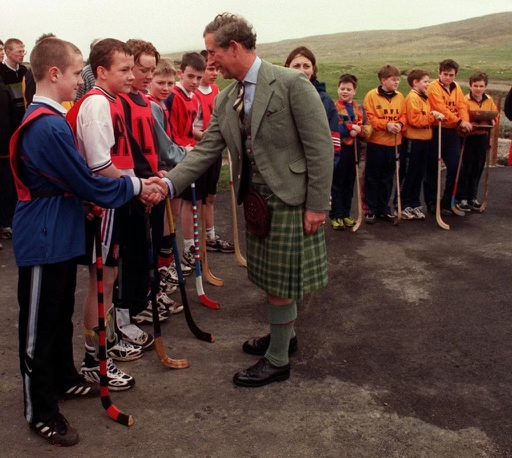
1999 saw the Lord of the Isles held in Berneray, with the then Lord of the Isles, Charles in attendance, and whilst shinty in the Hebrides had a light contraction in the early 2000s, there was still regular training in Uist, and infrequent games against opposition from Lewis and the mainland. Criosdain MacKenzie and others would continue to coach shinty at the Fèisean and players, and Cailean Bàn Macdonald would become an important player for Strathclyde University.
Uist’s finest hour was probably winning the Aviemore Trophy at the Mòd Cup final held in Lionacleit along with the Lord of the Isles for the junior players at Mòd nan Eilean Siar 2005.
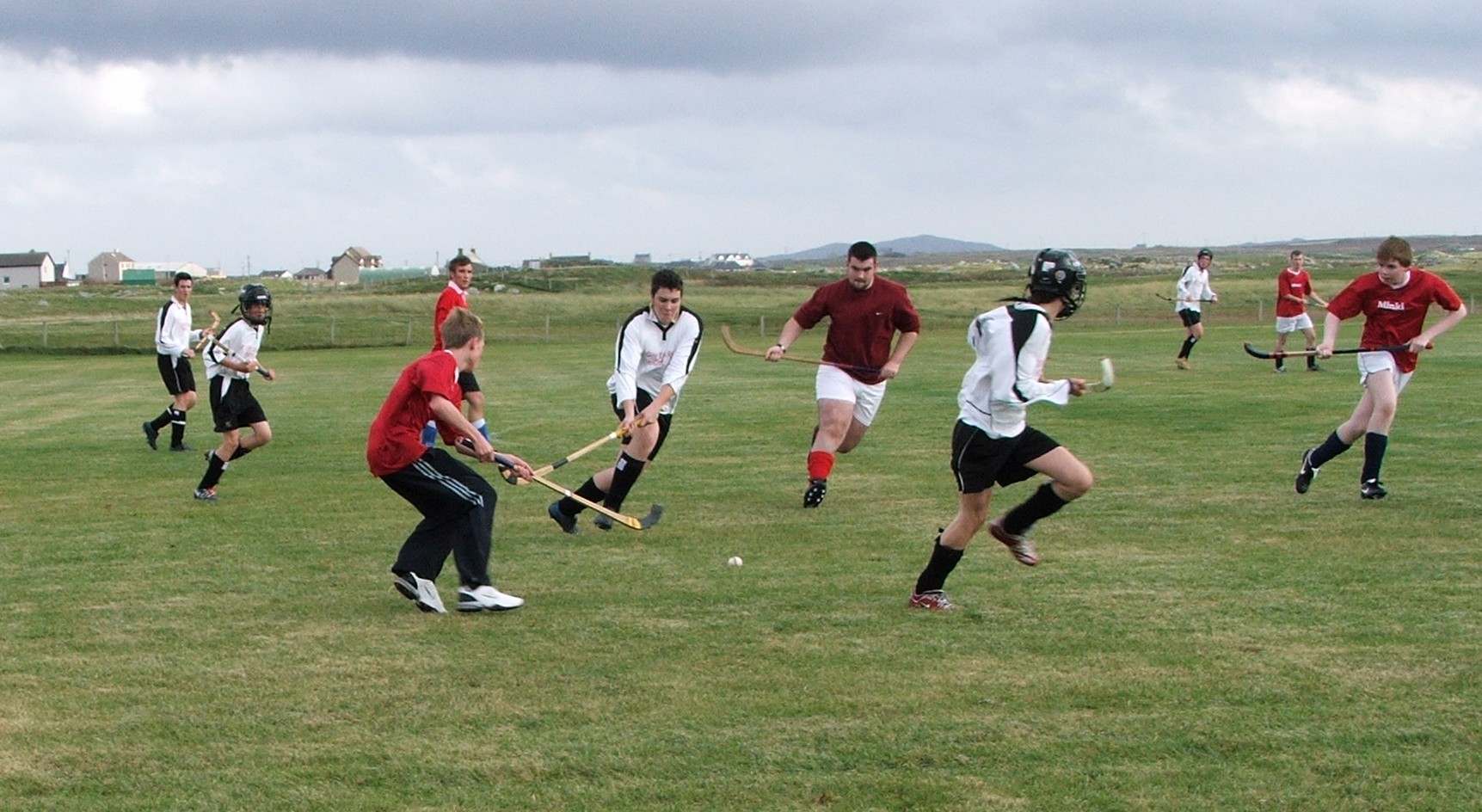
However, the establishment of Camanachd Leòdhais as a senior team in the December of 2006 resulted a new dynamic. Originally the plan was for the HebCelt Cup to be played as a challenge match with Uist, but crossed wires meant that Uist did not send a team that first year and the opponents were the HebCelt All-stars with players from a variety of clubs including Glengarry ladies and Boleskine.
However, the next year there was no way Uist were not goign to be involved, so the opportunity was taken to have a two-legged HebCelt Cup (for the only time so far) – the first leg was played on the playing field at Paible with Lewis winning 4-2, whilst Lewis would win the title overall after a 2-2 draw in Stornoway. It would be fair to say that at the time, the Uist side could draw on a more athletic and physical pool of players than Lewis could, and that both sides were quite reasonably matched, Uist’s fitness being matched by Lewis’ experience (for what it was worth) of playing cup games on the mainland.
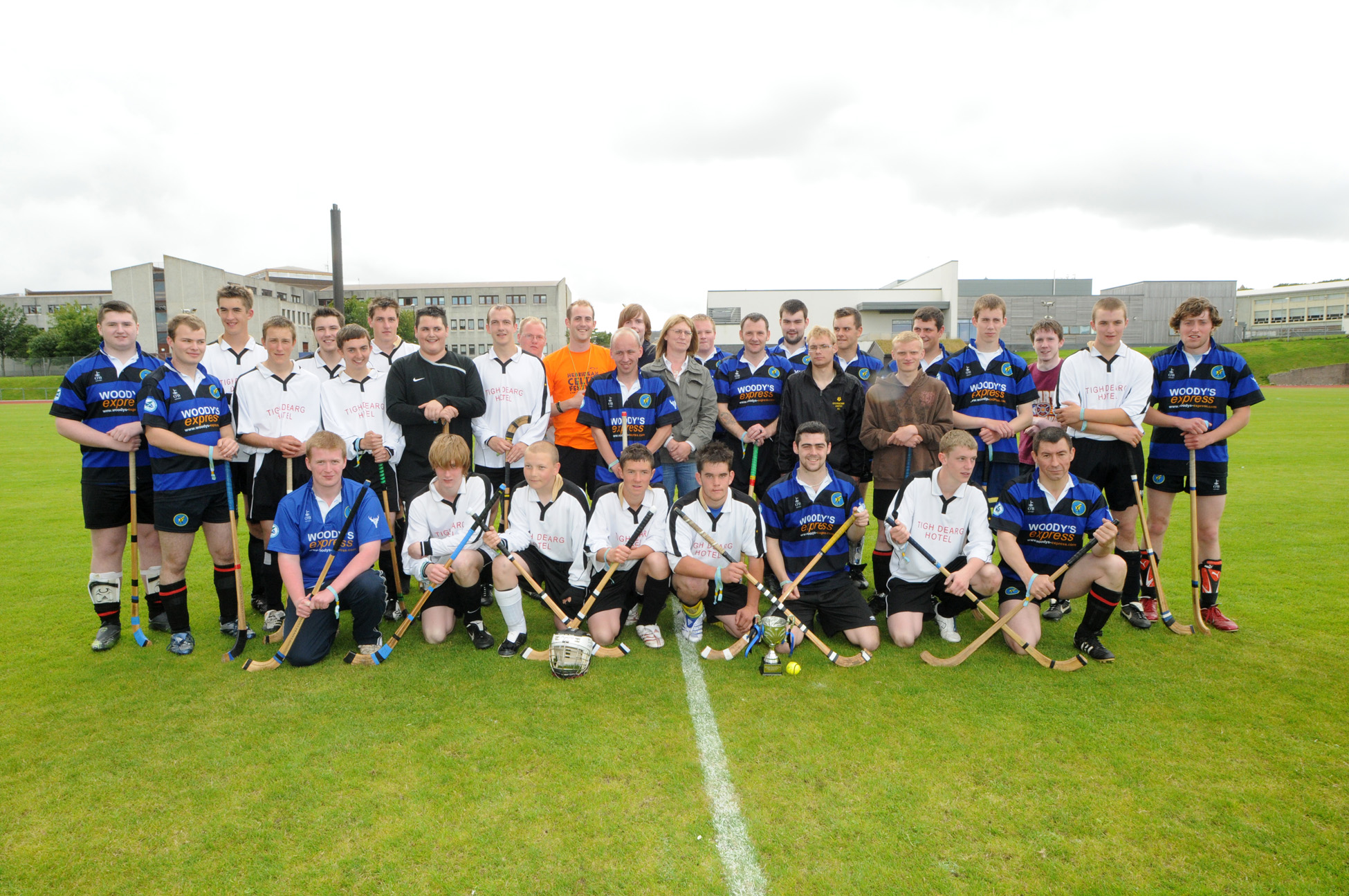
At this point, a group of very keen parents were also building on the work of previous generations and talents such as Euan Campbell (Caberfeidh, ex-Inverness and Beauly) and Graham Black (Aberdeen University) would emerge from an U14 team which regularly competed against Skye and Kinlochshiel. Euan would also be capped for Scotland U21s, and Graham and Euan would both become Alba caps, following in the footsteps of the inestimable Keith “Trumisgarry” Macdonald, on many Iomain Cholmcille trips. Steven Morrison and Ruairidh “Blot” Macdonald also went on the first few Iomain Cholmcille trips, and “Blot” was a valued team mate at a difficult time for player availability for Camanachd Leòdhais, often travelling via Skye to turn out for us in Cup matches. Other notable players at this time were Ruairidh MacLeod of Berneray who played an important role in the all conquering Strathclyde University side at the time.
Around this time as well, D.R. Macdonald repatriated the old North Uist Cup to his homeland, and a new version was commissioned and was played for for several years at New Year.
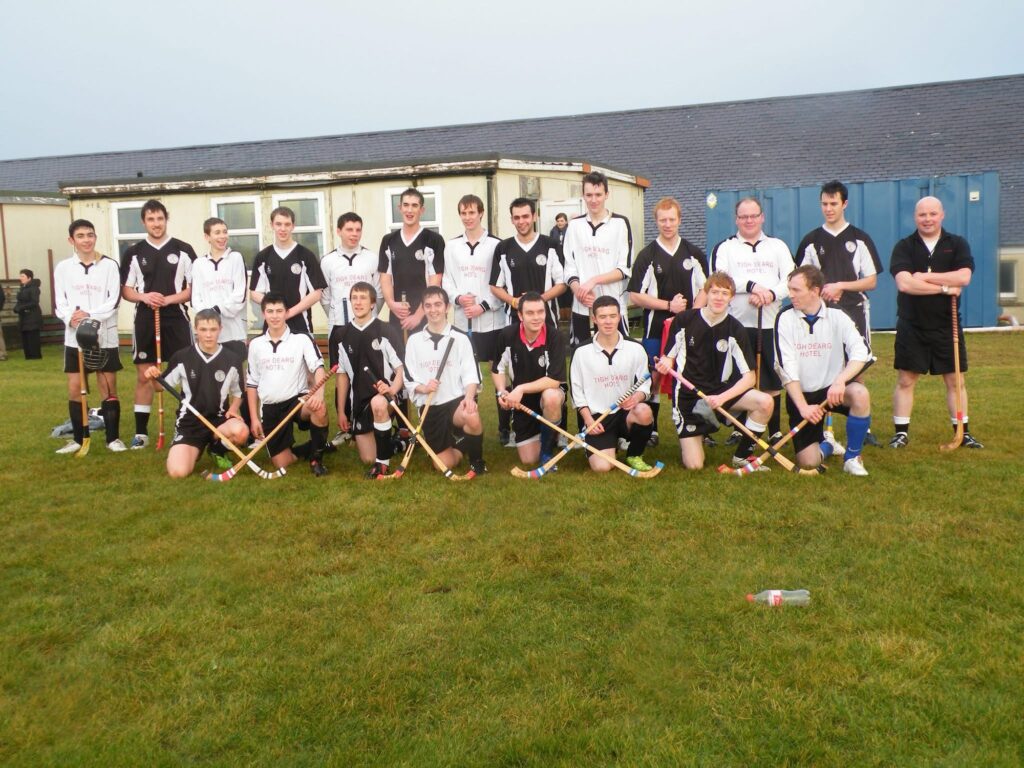
In 2009 Uist won their first HebCelt Cup. They used their diaspora well to overcome Lewis 3-nil at Bayhead, and over the next few years there were several dingdong matchups.
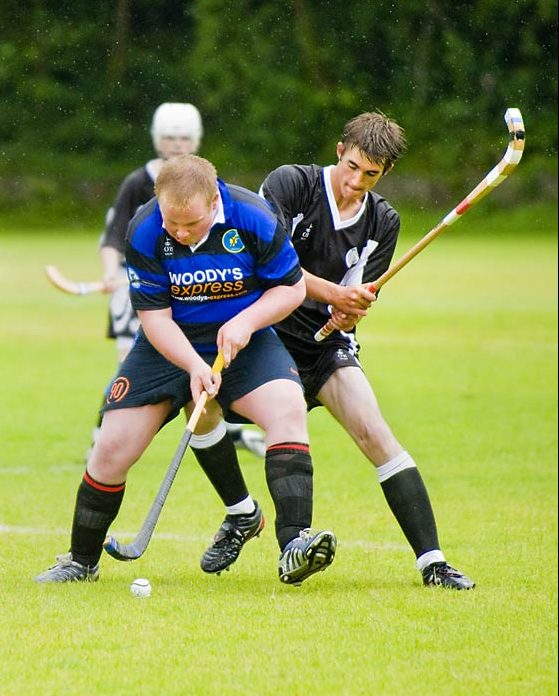
In 2011, as Lewis embarked on their own senior league adventure, Uist actually made their own debut in senior shinty, albeit in the shortlived development league with Strathspey and Kinlochbervie that Ronald Ross was adamant Lewis should join too. However, this gave Uist much needed game time and set the scene for two epic match ups at the HebCelt and the Mòd. Lewis would win both by tight margins, but they were memorable clashes that last long in the memory. Sadly, the Mòd Cup game at Lionacleit marks the last time a Dubh is Gorm side made it south of the Sound of Harris.
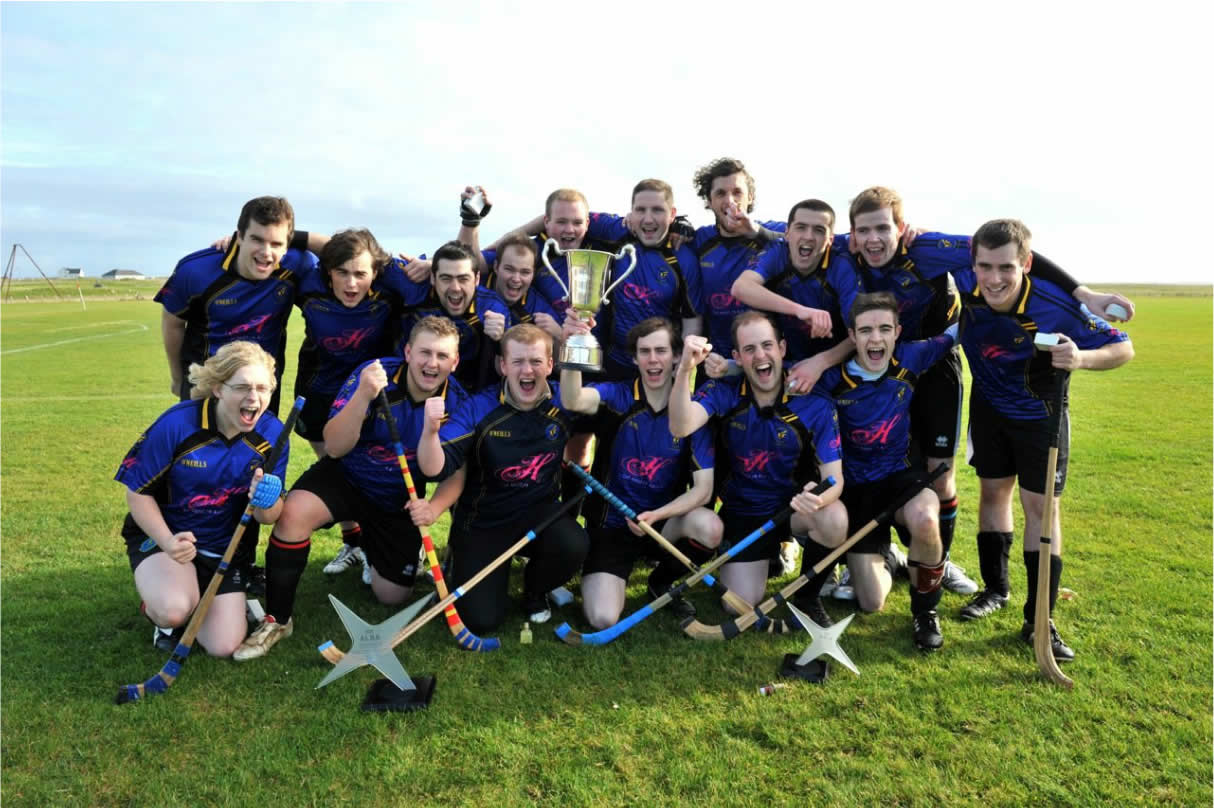
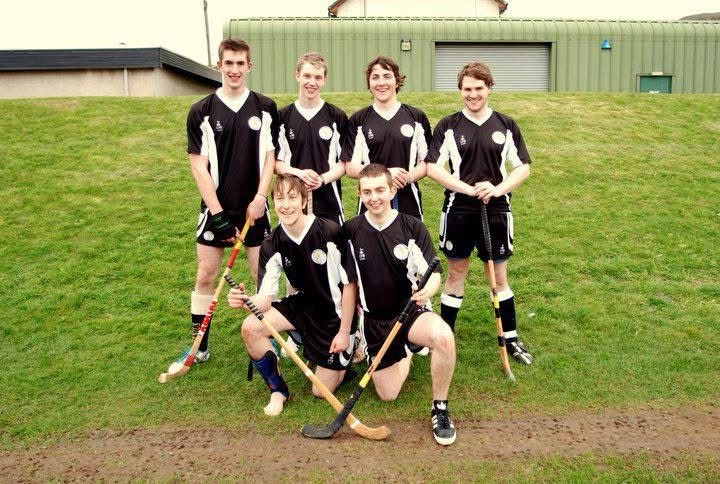
The following year, however, Uist would have their revenge, prepping well with a runners-up medal at the Edinburgh Dropkick Sixes and claimed the HebCelt for a second time with a win on penalties. Since that point the gap between the two teams has widened slightly, with Lewis having regular game time as a league cup, and Uist depending largely on players returning home, and the use of guests and diaspora players to field a team. However, the Uibhisteachs have won the trophy on two more subsequent occasions in 2018 and 2022 in impressive style. Without Uist there is no HebCelt, and it continues to provide a platform for the sport and draw a crowd that would match up to many smaller cup finals on the mainland.
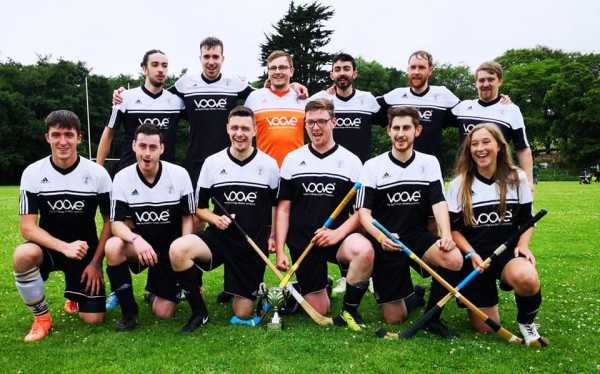
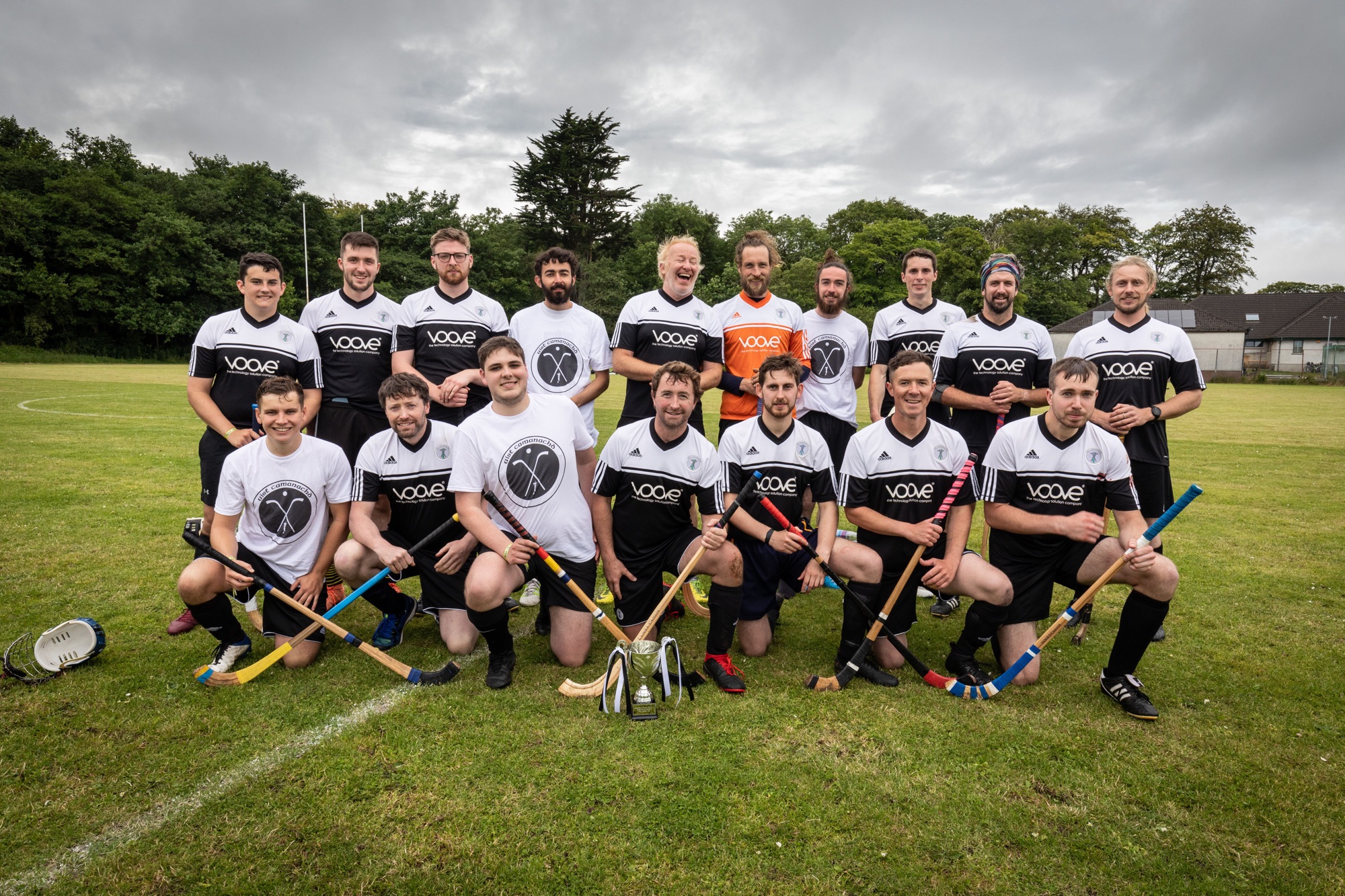
The fruits of Ali MacLean’s initial work in the 1990s, and that of those who followed continues to impact shinty today. In 2012, Uist’s under 14s reached the National Development final played on the same day as the Camanachd Cup final in Oban. They lost 7-nil to Inveraray whose first team were in the big final. It was a real achievement reaching that level however.
Uist players have continued in the great shinty evangelism tradition of Angus MacVicar and D.R. Macdonald. The prime example is Lee Thompson who first made his way on the mainland as a captain of a very successful Edinburgh University side in the early 2010s, before playing for Tayforth, but his greatest achievement is the establishment of Uddingston Shinty Club which continues to go from strength to strength (whilst also featuring a number of Lewis born players we must add!).
Then there is our very own Joseph MacInnes from South Uist (Causeway Shield winning captain of 2013), who is the only man to have played for both England (having being based down south for several years) and Alba, and whilst a valued squad member of the Dubh is Gorm, will be lining up as usual in the White and Black of Uist come Saturday. It’s sure to be another cracking match and hopefully begins the countdown to a competitive Uist v Lewis match at the next Mòd nan Eilean Siar.
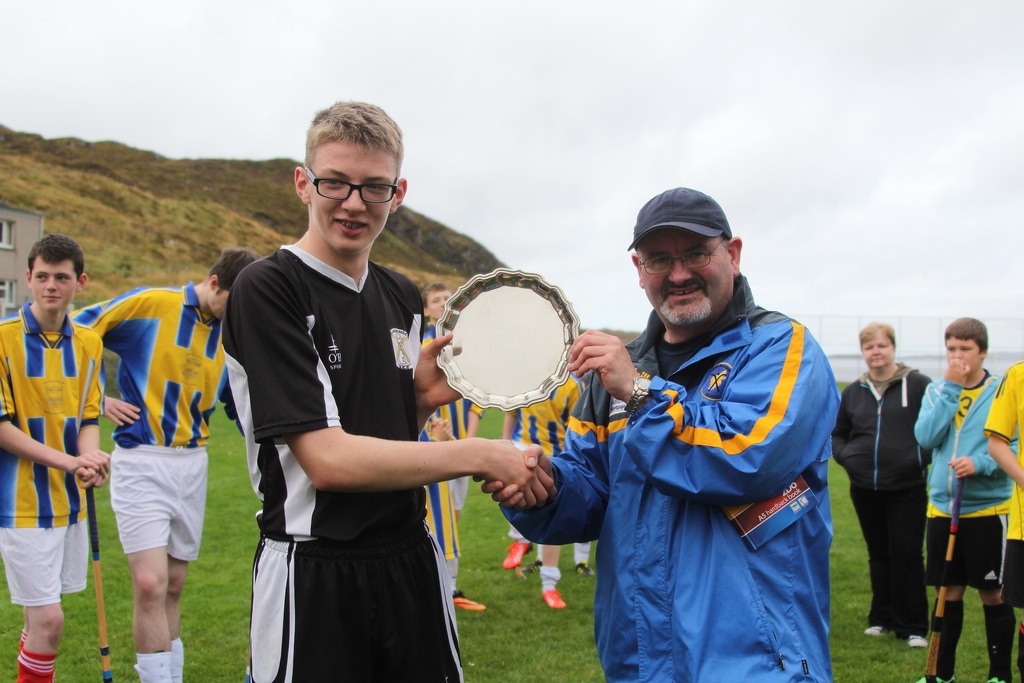
Whilst shinty in Uist seems to go through peaks and troughs in terms of interest, and availability of volunteers and players, Shinty is a far richer sport in the 21st Century thanks to the contributions of Uibhistich past and present, and hopefully one day soon more regular shinty coaching and matches can take place in the Southern Isles.
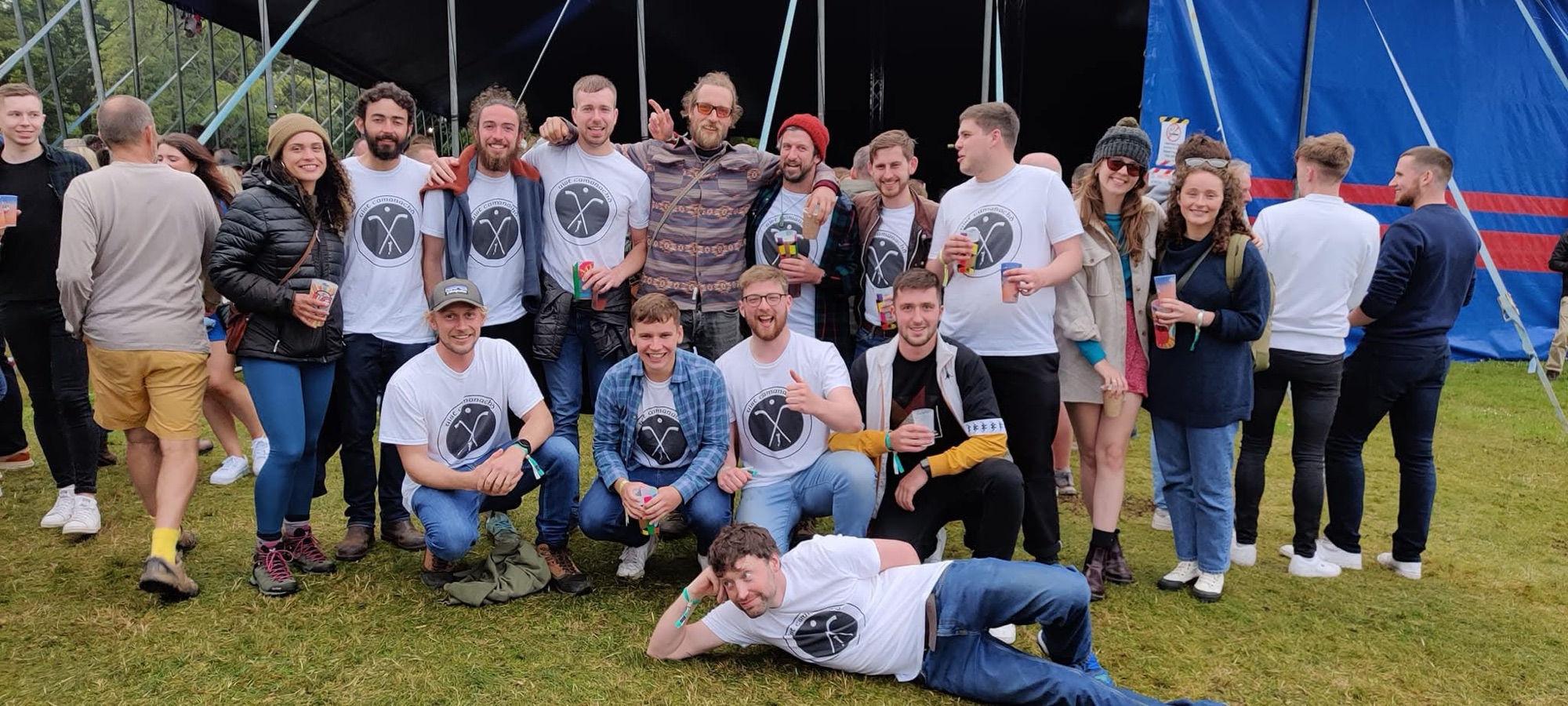
Gu math fada beò iomain san Eilean Fhada, gu deas is gu tuath!